
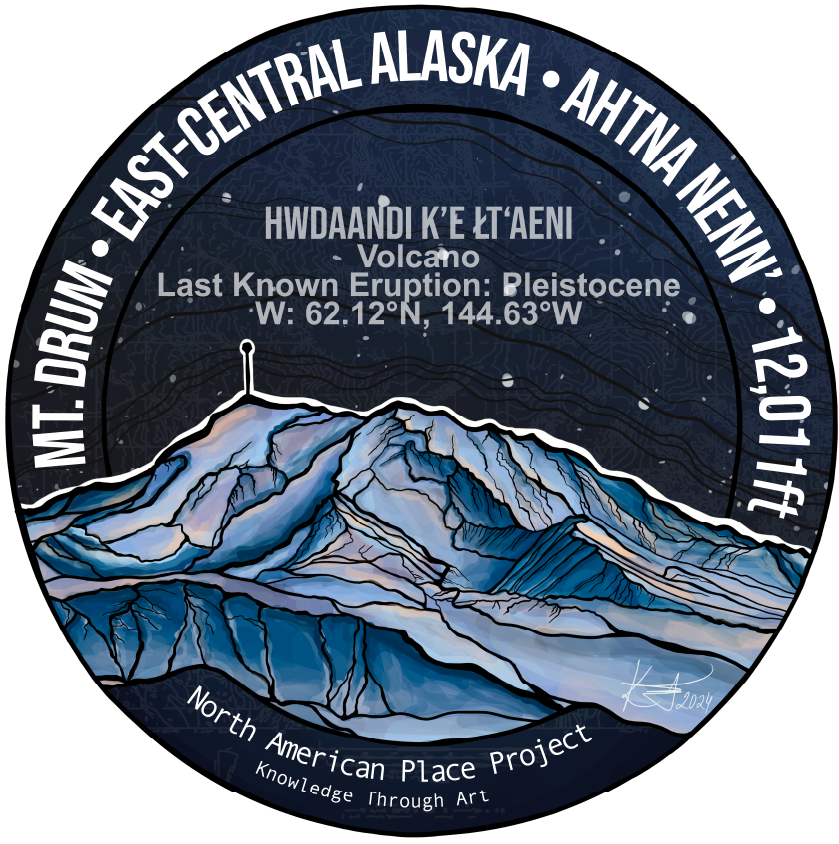
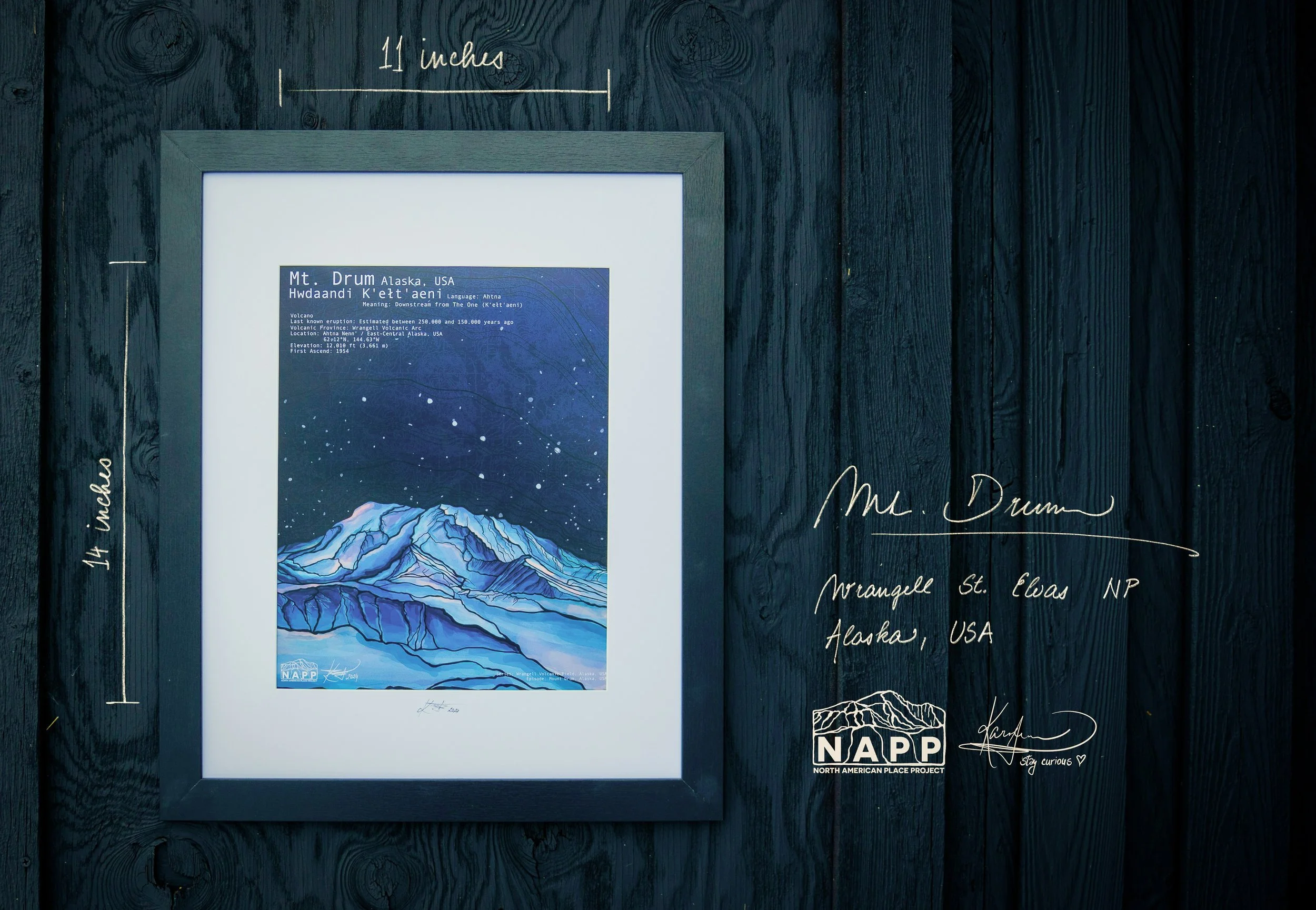
Hwdaandi K'eLt'aeni
Language: Ahtna
Meaning: Downstream from The One (K’elt’aeni)
Volcanic Province: Wrangell Volcanic Arc
Location: Ahtna Nenn’ / East-Central Alaska, USA - 62.12°N, 144.63°W
Type: Stratovolcano
Age: Inconclusive
Last Known Eruption: Likely between 250,000 and 150,000 years ago

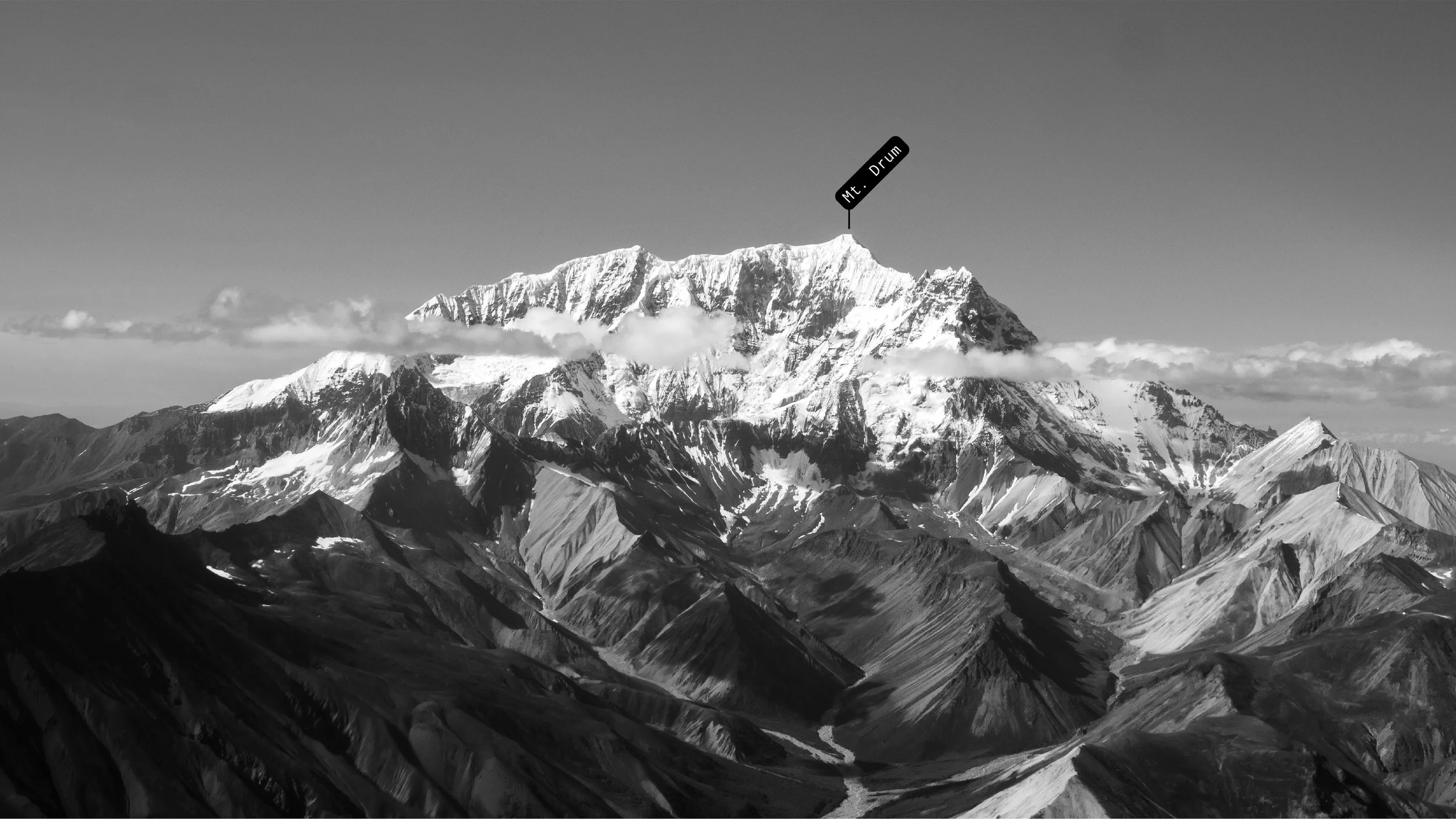
Mt. DRUM
Rock Types:
Major: Andesite / Basaltic Andesite, Basalt / Micro-Basalt, Dacite, Rhyolite
Tectonic Setting:
Intraplate
Continental Crust (>25 km)
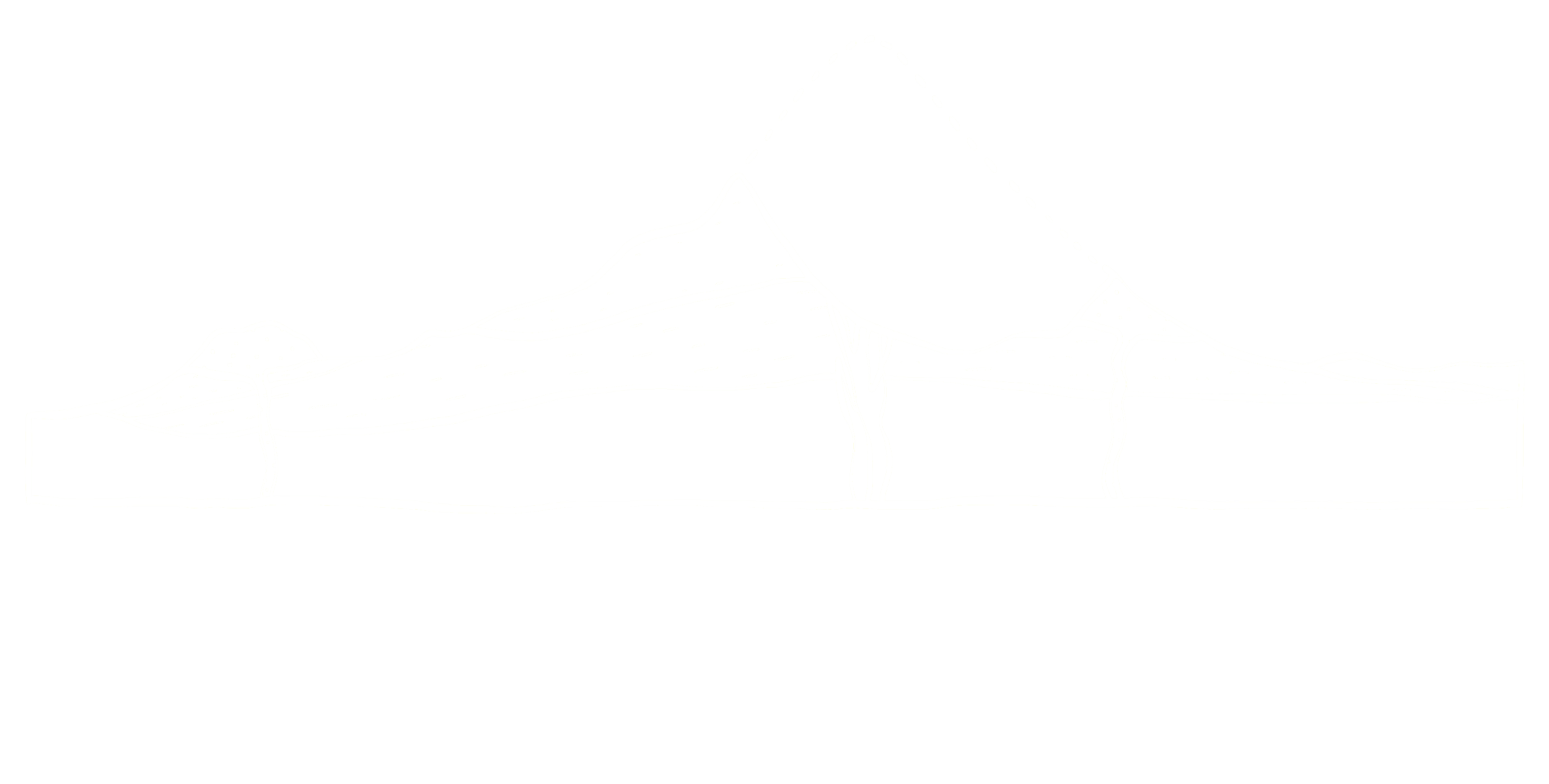
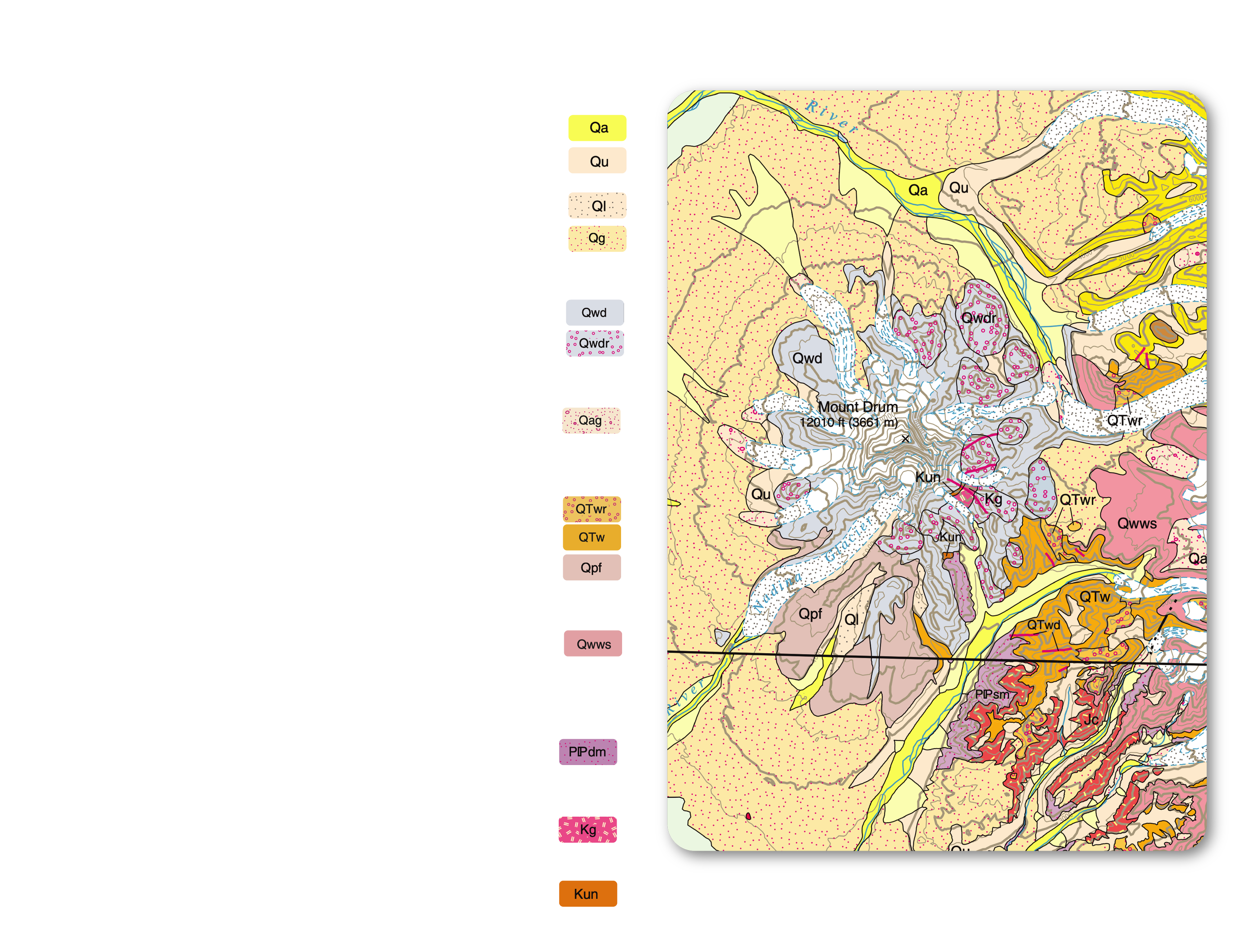
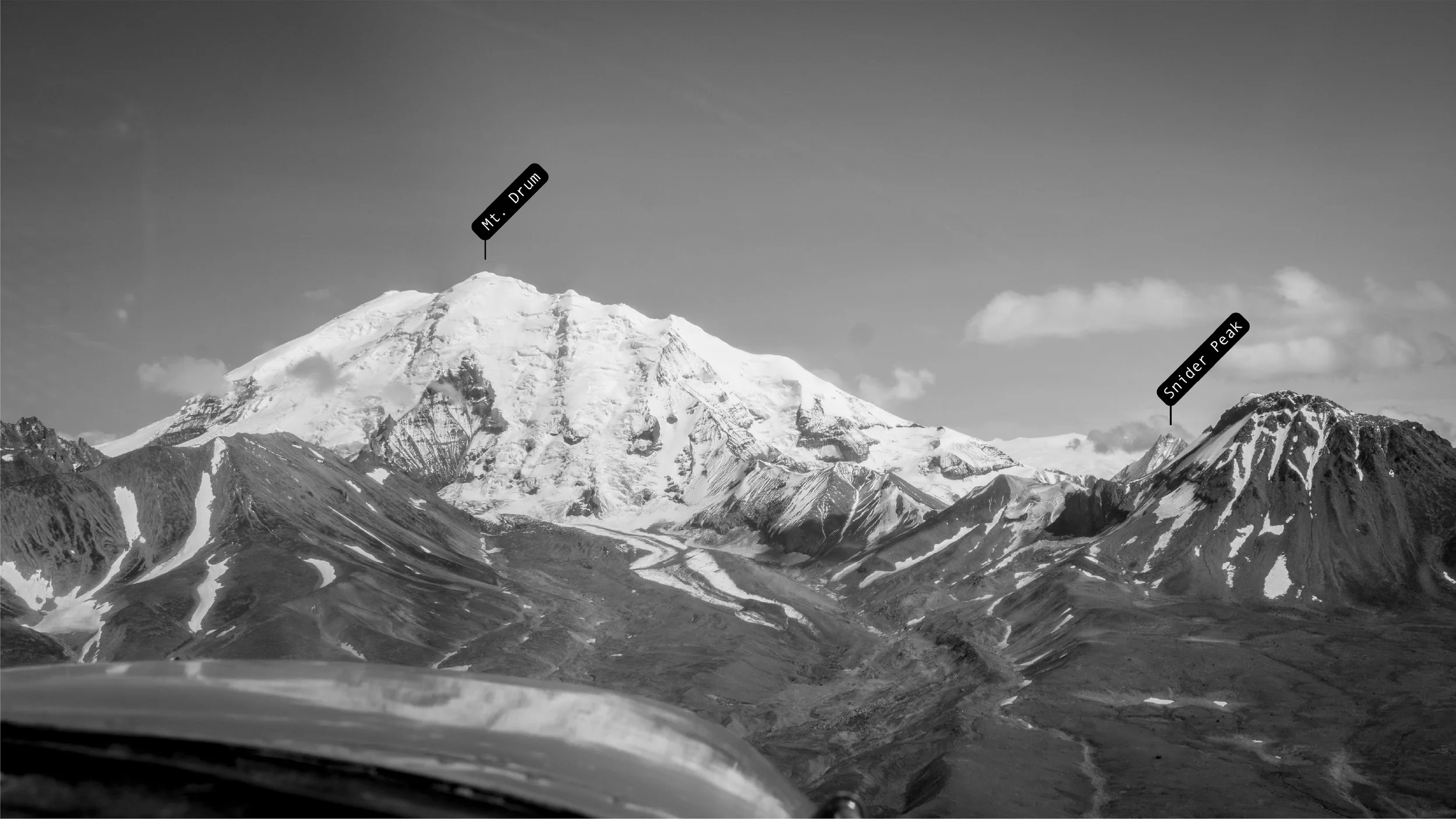
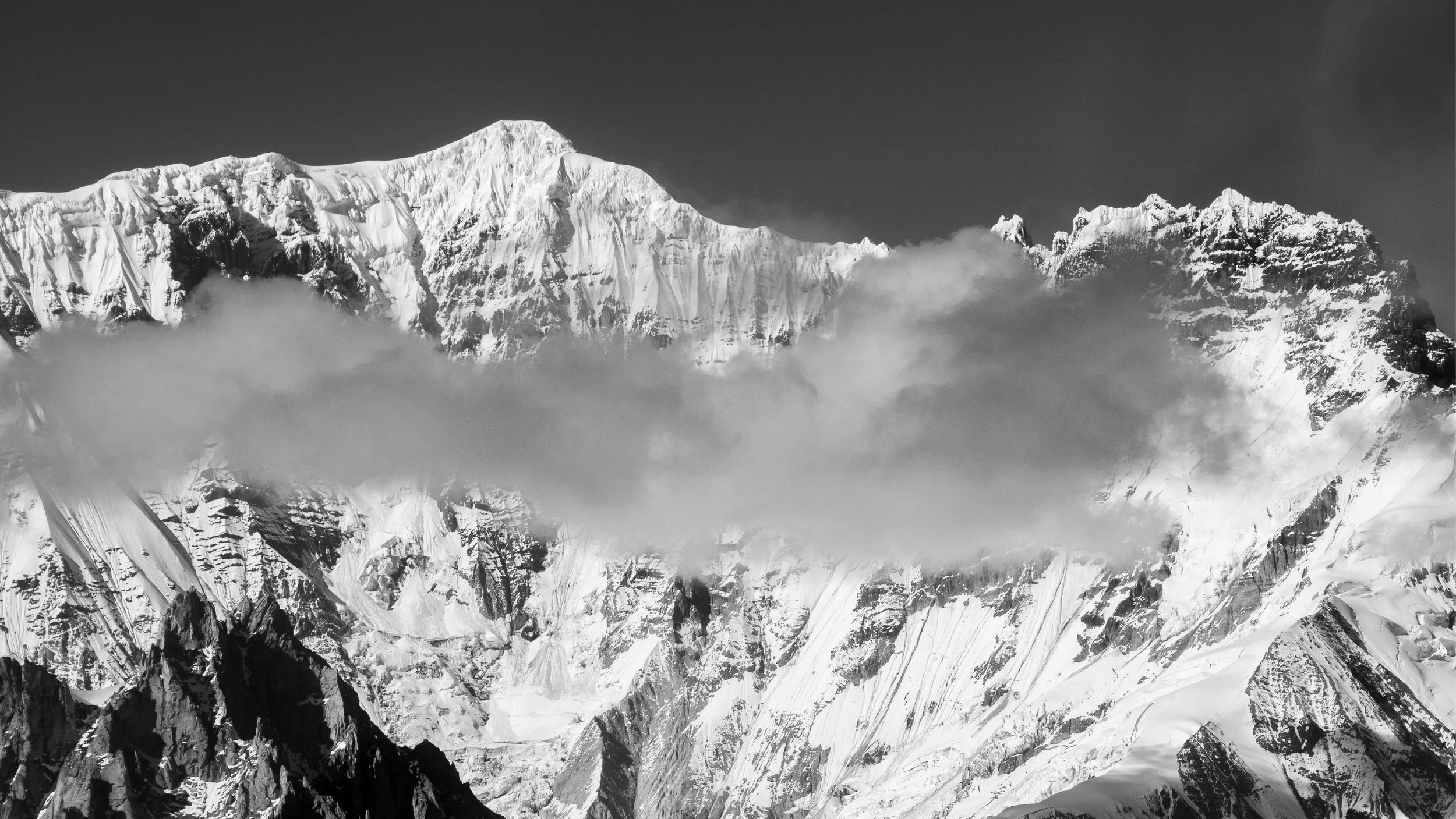
Nestled in the Wrangell Mountains of Alaska, Mount Drum is a steep-sided stratovolcano with a complex geologic history. Unlike the broad, flat-topped profile of nearby Mount Wrangell, Mount Drum displays a classic conical form shaped by explosive eruptions and long-term erosion. The cone is built from layered deposits of volcanic ash, lava flows, and fragmented rock.
Geologists believe Mount Drum began forming millions of years ago, with multiple phases of volcanic activity contributing to its present shape. Rising to more than 12,000 feet, the mountain has significant local relief. Its south face climbs roughly 6,000 feet above the Nadina Glacier over a relatively short horizontal distance, creating one of the more dramatic escarpments in the range.
Mount Drum is currently considered dormant, with no confirmed eruptions in recent history. However, volcanic features such as fumaroles and geothermal vents on its flanks indicate that heat remains within the system. These features suggest lingering geothermal activity, even though the volcano shows no signs of imminent eruption.
Due to its remote location and technical climbing conditions, Mount Drum is less frequently visited than other major Alaskan peaks. For those who reach it, the mountain offers a clear view of the geologic forces that shaped the Wrangell Mountains and continue to influence Alaska’s landscape.
How can you support this project and its continuity?
Learn the cool stuff and share it with your friends. You can download a printable sheet that summarizes this entire series below. Bring it on your drives and flights around the Wrangells!
Buy the art
Display and/or sell it at your business
Collaborate with me on more projects that combine art, history, and science
Acknowledgments
Game McGimsey, retired volcanologist from Alaska Volcano Observatory and one of few scientists to conduct research and expeditions to the Wrangell volcanoes for fact-checking all geology related information shared in the Wrangell Volcanic Field series.Wilson Justin, Ahtna elder and a descendent of the Ahtna Medicine People for sharing his knowledge and giving me a blessing to share Ahtna Indigenous place names with the world. Further thank you to my friend Bryson Corbett for getting me away from the books after long days of research and drawing. And for helping me write the geological history into cohesive and understandable stories. My dear friends Martin, Laura, Becca, and Mike at Copper Valley Air for always getting excited with me, polishing the plane's windows and taking me around these mountains while pushing it on bumpy flights to see these giants up close.Love to all of my friends from the Wrangells and beyond that continue to cheer me on through my journey of exploration. And to everyone who buys my art so I can continue to make more.This project debuted on July 27, 2024, as part of the Stories of Our Landscapes exhibit at the Kennecott Community Hall, an event hosted by the Wrangell Mountain Center in partnership with the National Park Service and the Rasmuson Foundation, with Karolina Zakravska featured as the artist.